Monday, November 6, 2017
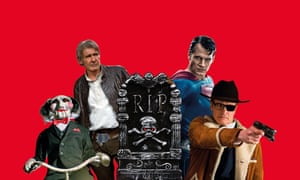
Even in movies, the dead should remain dead

Sunday, November 5, 2017
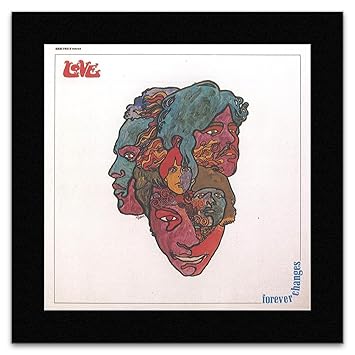
"Forever Changes" was released 50 years ago!
![]() |
| FOREVER CHANGES--Love |
I caught
wind that 2017 would be the fiftieth anniversary of the release of Love's
seminal record, Forever Changes—an occasion I could not let glide
past without a dutiful, a tribute, listen to the revered 1967 album. I was
mesmerized all over again by a shimmering range of materials: an acidic rock
guitar, martial rhythms, sad, almost mocking Mariachi horn sorties, a Spanish
guitar and tango beats, lush arrangements, MOR pop-jazz, and the cunning skill
to write the sort of private lyric that drew the listener closer to the
speaker, thirsting for the words, yet cruelly denying a comforting, a vulgar,
assurance.
There were
menacing undercurrents beneath the fleeting elegance, an album full of wide
roads, sharp terms, and an almost unbearable, idyllic optimism. It was as if
Arthur Lee, that vibrant vocalist and principal songwriter, had absorbed every
note of music—from every style that poured, a glittering sludge, from Los
Angeles radio—blending them with a master’s will, providing a true, an original
thing, something no one had, in all probability, ever heard before. It remains
a fascinating and dramatic document; it’s damn good music. The way this disc
moves, a chameleon on a plaid fabric, from one mood to the next, quickly but
not jarringly, from upbeat, dance-happy jazz to the serene yet melancholic
textures, shades, and tonalities the orchestrations create as they play over
the solid rock band base, remains amazing and, I think, utterly unequaled.
The Beatles
were antecedents, of course, in their clever employ of diverse musical styles
in their songs, mixing them up in ways rock and roll songwriters hadn't
imagined up to that time. But a major element of Lee's and Love's success in
diving headlong into that choppy eclecticism was a certain fastidiousness, an
avoidance of the limitless disasters of others who attempted their own, clumsy
versions of Sgt. Pepper.
Not all the
music on Forever Changes has aged well, alas. Lee’s lyrics
sometimes become a murmuring stream of hippie know-nothingism—a kind of
spiritual slumming. The guitar solos, though mercifully brief, are likewise
cringe-inducing, those atonal fuzz tone blasts that sour the album’s otherwise
sublime arrangements. Where, one wonders, were Hendrix and Clapton when their
savvy on the frets was so desperately needed?
All told,
this is only a nitpicking, a minor quibble, a footnote to genius. The record is
of its time and still creates a spell fifty years later. Arthur Lee was one of
the greatest of rock singers as well, an ironic commentary on identity
politics; we see this in his beautiful crooner style, which echoes the
under-considered talent of Johnny Mathis and Sammy Davis Jr., two pioneering
black performers who honed singing styles that were smooth, gallant, and
perfectly acceptable to large white audiences. We also see it in the way Lee
mastered the grunting, gravelly, slurring style of British singers like Mick
Jagger and Eric Burdon—two singers who tried to replicate the sound of their
heroes Muddy Waters and Howling Wolf but who, lacking the true vocal apparatus,
wound up creating a style of singing that was itself appealing and a valid
means of personal expression. Lee was equally smitten with both styles and
mingled them throughout his oeuvre; the silky croon and gruff belt combined for
an unexpected effect, mysterious and suggestively unique.
Two songs
particularly have remained with me these fifty years since I first heard this
record, melodies, chords, and winsome vocals that echo still amidst the
accumulated memories: the opening song, and the album's final song. The first,
written by the guitarist and singer Bryan MacLean, is the exquisitely flawless
"Alone Again Or." It begins faintly, a ghost of sound, volume slowly
increasing, a Spanish guitar and a sharp, insistent report of a small drum kit,
simple and elegantly finger-picked chords that bring us a confession of a kind,
a soul reaching out to a lover who leaves him alone in his isolation. The
second verse is a declaration, a statement of personal purpose:
"I
heard a funny thing /somebody said to me /you know that I could be in love with
almost everyone, I think that people are/The greatest fun…."
As the
melody charges, segues into a stirring horn solo and again fades off and then
builds momentum, we have the genius of the album, a mix of insight and naivete
trying to balance them out, contained in a gorgeous, simple framework.
MacLean's forlorn disquisition is about the battle of a man trying to bring
clarity to the many sensations his senses brought him. Each day a new hope,
every afternoon the same confusions of elation and sadness, each night a
solitude that embraces the narrator as fully as the sleep that will come over
him and so prepare him for the morning.
The album's
last tune, Lee’s masterpiece, is "You Set the Scene," a fascinating
stitchery of the kind of rush discotheque pulse where everything is noticed and
reality becomes a druggy collage. Details are word fragments, phrases, and
images that do not follow each other in a logical order; it is as good a
description of an acid trip as I’ve listened to. The trippy pulse of the first
section segues into the steady, marching stride of the second portion. Horns
blare a hearkening fanfare, drums kick in with a steady, even gait, and the
narrator seems to have crashed from his high after a vision and now allows his
eyes to scour the hillsides and valleys and consider, finally, the kind of
future he’d like to live in.
"Everything
I've seen needs rearranging /And for anyone who thinks it's strange/Then you
should be the first to want to make this change/And for everyone who thinks
that life is just a game/Do you like the part you're playing?"
Yes, this
smacks of the old counterculture conceits, the young man, smitten with The
Truth, saying farewell to parents and old friends to become genuinely
authentic. But Lee’s imagination prevents this from becoming a preposterous
demonstration. Lee’s voice soars, croons, quivers, strains effectively on high
notes, floating with confidence over the increasingly dynamic horn arrangement.
This is a march into the future; it astonishes me how magnificent this music
still sounds fifty years on. Forever Changes, Love's third album,
is considered by many to be the best American response to the Beatles'
bar-raising disc Sgt. Pepper's Lonely Hearts Club Band. As is too
often the case, Lee’s greatest creative period was short-lived; drugs, jail,
eccentricity, and erratic behavior prevented him from regaining the heights he
reached with Forever Changes.
Chickenbone Slim's "The Big Beat" (album review)
| THE BIG BEAT--Chickenbone Slim |
Saturday, November 4, 2017
The Collected Poems of Ted Berrigan
t's not enough that we have the same first name and the same Irish second initial, my attraction to Berrigan's poems was the rather unbelligerent way he ignored the constricting formalities in poetry and rendered something of a record of his thoughts unspooling as he walked through the neighborhood or went about his tasks. "Where Will I Wander" is the title of a recent John Ashbery volume, and it might well be an apt description of Berrigan's style; shambling, personal, messy, yet able to draw out the sublime phrase or the extended insight from the myriad places his stanzas and line shifts would land on. The world radiated a magic and energy well enough without the poet's talents for making essences clear to an audience needing to know something more about what lies behind the veil, and Berrigan's gift were his personable conflations of cartoon logic, antic flights of lyric waxing, and darkest hour reflection , a poetry which, at it's best, seemed less a poem than it did a monologue from someone already aware that their world was extraordinary and that their task was to record one's ongoing incomprehension of the why of the invisible world. Things To Do In New York City:
"Wake up high up
frame bent & turned on
Moving slowly
& by the numbers
light cigarette
Dress in basic black
& reading a lovely old man’s book:
BY THE WATERS OF MANHATTAN
change
flashback
play cribbage on the Williamsburg Bridge
watching the boats sail by
the sun, like a monument,
move slowly up the sky
above the bloody rush:
break yr legs & break yr heart
kiss the girls & make them cry
loving the gods & seeing them die
celebrate your own
& everyone else’s birth:
Make friends forever
& go away " --Ted Berrigan
Thor: Ragnarok is the distraction we require
Friday, November 3, 2017
MOHAVISOUL: Hometown Blues (album review)
Neither laboriously beleaguered nor overly sunny, these are stories about the simple ironies and unexpected pains and pleasures a life brings us. MohaviSoul is a bluegrass band, storytellers of woe and joy and love found and lost as their heroes seek fortune and adventure and a better chance around the bend. Formed in Ocean Beach, the beach area’s last outpost of the ’60s idea of being distinct and true to one’s one Thing, the interplay of guitars, fiddle, and dobro are bittersweet counterparts to the plaintive vocals of guitarist Mark Miller and mandolin player Randy Hansen, both of whom are also MohaviSoul’s principal songwriters. They are palpable rustic; their chords and taciturn lyrics seemed to have been written in the dusty patina that would fall on the old, corroded truck these metaphorical minstrels would use to drive state to state searching for another day's wage.
Tuesday, October 31, 2017
Netflix Cancels House Of Cards Amid Kevin Spacey Controversy

From Bleedingcool.com I learned that Netflix has canceled its flagship series House of Cards , fallout from the recent allegations of inappropriate sexual overtures allegedly made by to a then 14 year old actor Andrew Rapp. Season 6, forthcoming, will be its last.It would appear that we're in for sustained period of all manner of celebrity--movie star, mogul, director, politician, novelist, poet, artist, professor, corporate leader--being exposed as sexual predators and over all creeps. Spacey maintains, so far, that he was too drunk to remember anything inappropriate going on with a 14 year old Andrew Rapp, mentioning that he was drunk and things are hazy, but the damage is done to his career, starting with House of Cards,his Netflix political drama. His character is a man who does anything in his power to achieve his ends. The character , Frank Underwood, has wracked up so many outrages that I was worried this show would go on forever without this fictional being made to pay for his sins. Seems circumstances developing from real life, the realm that, in itself, serves justice in unexpected ways on a time schedule not disclosed to those of us impatient for payback; Spacey has lost his hit show and perhaps his livelihood, at least for a while. How all this pans out in the long run is anyone's guess, although it's a predictable outcome of all these allegations that the media, social, print and broadcast, will move onto other less exploited outrages they can in turn cover with sensational headlines and little sympathy or comprehension.Even as reader attentions are drawn elsewhere, there remains a hope that this is not just another passing controversy and marks a profound change in the culture, which is that sexual abuse will not tolerated by anyone in any corner of our land, by anyone, anywhere. One hopes this evil stops here. So the question becomes whether , after more revelations, exposures and screaming headlines, will this topic be dropped as interest wanes, or are we willing to change the way we treat each other? I am not optimistic.
Sunday, October 29, 2017
Best movies of 2017 so far, Part 1

1.Blade Runner 2049
Not a film I anticipated with any great optimism, as Ridley Scott, the director of the first film, a masterpiece recognized only after its unspectacular theatrical performance and the oh-hum reviews, was an erratic director, to be kind. He was very capable of making movies that while boasting an attractive style, would let you down with half baked story lines and conventional Hollywood endings, whether they be upbeat or bleak by the end of the last reel. Fortunately, smarter judgment prevailed and director Dennis Villeneuve--Sicario, Arrival, Prisoners-- was brought on bard to extend the replicant saga. Fittingly, the film is a luscious, lovingly detailed and poetically blurred vision of a polluted and decimated Los Angeles and western United States, and the enticing and confounding issues that arise from the creation of very human like androids to essentially function and exist as nothing other than a disposable slave class remain with us. The smart matter here is that the right story elements are drawn from the original film,the right characters are brought back to furnish us with ideas as to how matters have changed over thirty years , the mysteries have deepened more so , and the mysteries remain. BR 2049 has all the issues the lured us in from the original motion picture, but it is its own majestic,dystopian saga. It is equal parts meditation, philosophical debate, action movie, love story and, above all, a mystery, all the strands perfectly fused together seamlessly. This film is a masterpiece.
2. Wind River
3.Baby Driver
Writer and director Edgar Wright, we've read, has directed a heist film that is as much a musical as it is a crime comedy. Well, yes, in as much as the title character, actually named Baby Driver, loves to prepare special mix tapes while dancing , highlighted frequently in this film. The steps actor Ansel Elgort executes in these scenes are fairly elegant indeed, Astaire like to a degree. Don't let that stir you off, though, as what Wright creates is in keeping with previous work , which is zany, witty, subversive of the genre he's working in, but never so busy with his technical virtuosity that he forgets to bring the fun the audience came for. Our hero is a fantastically gifted getaway driver indentured to a ruthless crime master .Finding love at last, Baby finds himself attempting some impossible ploys to free himself of teh clutches of his boss so he can go off and find happiness and some kind of normalcy after a life of forced criminal activity. Not an original premise, but it's merely the starting point for Wright, he subverts the cliches , veers in another direction other than where you expect him, expands and contracts the minimal plot particulars, and keeps matters moving, moving , moving with a quick but sure sense of how to keep the many balls he has in the air from hitting the floor. Wright also draws fine performances from Jamie Fox, Jon Ham and the ever effusive Kevin Spacey as the harshly ironic crime boss. Expect double, triple and quadruple crosses here as the matters pile on, and expect many a "WTF?" moments and to burst into laughter at unexpected moments. Baby Driver is an exercise in exhilarating virtuosity.
4.Paterson
Director and writer Jim Jarmusch at his best, a seemingly trivial and glancing examination of a Paterson, New Jersey bus driver also named Paterson whom we get watch as he goes about his day, waking up next to his wife, clocking into work, driving his route around the downtown area (it seems), listening to rich chunks of fascinatingly inane small talk from his passengers and, most telling, having lunch. Paterson the driver, living in Paterson the city, echos the legacy of Paterson the epic poem by William Carlos Williams, the great American poet and and a Paterson native son. Paterson, the driver, writes poetry on his lunch break, and in the course of the film viewers have the only film about a poet I remember that showed the writing process in effective movie terms. The poem, in the driver's hand writing, appears on the screen as he composes and we listen to the poem in his voice being created; revisions are made, lines and words crossed out, new phrases are introduced, what begins as seemingly prosaic and ordinary becomes something extraordinary , worh noticing, an idea beautifully expressed and preserved in words. This is the beauty of Jarmusch at his best, finding rich and resonating veins from the everyday, bits of modern life uncluttered and made just slightly odd. Humorous, touching, perfectly disarming , this movie is also particularly in small pleasures that are matter of fact, bits of surprise with no fanfare, one of which is that the Paterson the driver/character living in a city named Paterson which is also the title of an important American poem is portrayed by Actor Adam Drive. Intended or by coincidence, I think that is very, very cool in a satisfying small way.6.Wonder Woman
Poetry as symptom
Ezra Pound, Locked Away | The American Conservative:
Babbling from the Art Opening;Art, democracy, history

Saturday, October 21, 2017
Flattery gets you half way there
That now in coaches trouble every street,
Shall be forgotten, whom no poet sings,
Ere they be well wrapped in their winding-sheet!
Where I to thee eternity shall give,
When nothing else remaineth of these days,
And queens hereafter shall be glad to live
Upon the alms of thy superfluous praise.
Virgins and matrons, reading these my rhymes,
Shall be so much delighted with thy story
That they shall grieve they lived not in these times,
To have seen thee, their sex’s only glory:
So shalt thou fly above the vulgar throng,
Wednesday, October 18, 2017
LOUISE GLUCK AND THE MUCK SHE INSPIRES

You do what you can do in a placebut after awhile you exhaust that place,so you long for rescue.
Special Edition--Jack DeJohnette
![]() |
| SPECIAL EDITION--Jack DeJohnette |
Thursday, October 12, 2017
Blade Runner 2049 is a masterpiece
The box office hasn't been promising for Blade Runner 2049, the long-anticipated sequel to Ridley Scott's 1980 science fiction masterpiece Blade Runner. That's entirely unfortunate, because director Denis Villeneuve's take on the story, originally inspired by Philip K. Dick's novel Do Androids Dream of Electric Sheep, is a sequel in the best and truest sense. Villeneuve works closely with screenwriters Hampton Fancher, Michael Green and draws upon the right story elements from the first film realization of this dark forecast, the right characters are reprised, the right social issues highlighted again through a bleak, rain and shadow cloaked landscape, both urban and otherwise. It's a simple notion that nearly all artistically and thematically coherent sequels --Godfather 2, Aliens--share: enough material for plot possibility,the justification to continue the story told so far, and the instinct to have the next chapter stands on its own , a work onto itself, not a mere reiteration of melodramatic effects or punchlines from what had worked previously.Ridley Scott never again directed a film as beautiful or as provocative as film Blade Runner, his adaptation of Philip K. Dick's novel "Do Androids Dream of Electric Sheep". Much has been said of the film's look, an evocation of Los Angeles in a future time, with smart and stylish renditions of classic film noir style. If nothing else, this film does make fine use of the extremes of light and dark, with a muted, earth-toned schema for the matters in between that suggest the competing sediments of rust, dust, soot and chemical pollution, a suitable palette for a thriller set in the future. More than the look, however, is the set of issues the movies manage to cogently engage, from the spiritual ---the rogue androids quest to meet their creator and so extend their lives--to the sociological and philosophical. Immigration, urban cluster fucking, the mashing of cultures, the unprincipled introduction of odious technologies into the consumer marketplace, untried, untested, consequences be damned. He's directed other noteworthy films--The Duelist, Black Hawk Down, Gladiator, Matchstick Men, and the much more recent efforts Prometheus and The Martian. come to mind--but none of them have the combination of ideas, tone, or visual allure that made Blade Runner a singular work; the odd thing is that it is that rare instance of when an elegantly designed vehicle contains any number of ideas that are substantial enough for a half-dozen discussion groups and a surfeit of monographs. This follows Philip K.Dick's fascination with how populations are willing to relinquish their humanity--the kind of inventive, curious, adventurous humanity that isn't afraid of hard work, using its brain, or risking death in the cause of finding out more of the world. In his novels technology is seen as the means through which the human being becomes less human by having the burden of having to use his Free Will less and less. As the machines take on more of what was exclusively the domain of flesh and blood, the tragedy that befalls those who've chosen convenience and leisure over a grittier essence doesn't seem tragic at all; it is hard to empathize with the products of pure leisure who haven't a care except for the entertainment of their senses.In the plot, theme, and, especially in the fabulously rendered and supremely controlled visual design which fuses a film-noir sense of bleak anxiety with an unequaled elegance--Blade Runner 2049 is my best film of the year. Yet audiences are not showing up to fill the theater seats. Why? It reasonably is said that 35 years too long for a sequel come out. Much as I think this new film is a splendidly and lyrically executed effort and convincing continuation of the previous film's storyline, it's not ;unlikely that those not intimately involved with the film like we BR aficionados don't have much invested in whether self-aware androids have the right of self-determination or whether Decker was a replicant himself or how a society becomes, less and less subtly, a master-slave society the more of a society's resources are depleted. These aspects were very apparent and powerfully conveyed in Scott's script and visual narrative, but since the film tanked in 1982 at the box office, it's particulars of a paranoid, dystopic world seemed to be familiar only;y to the dedicated cineastes, there was not the kind of Star Wars (or Game of Thrones) anticipation of what is doing to happen next. What's especially tragic is that the no-show audiences, the current generation of internet content streamers who've little invested in getting deeper into the magnificent , dark murk that is the world inhabiting the darkest recesses of P.K.Dick's steamiest fever dream , are missing out on a film that is full chapter in an ongoing story, the most recent incidents in a fantasy of societal collapse. It's a masterpiece on its own terms, the vision of a particularly sharp and visually astute director, a canny screenplay, and an amazing visualization of a film-noir style, with high contrast light and shadow creating moody, angular atmospherics amid the decrepit architecture of once great cities surrendering their concrete, steel and glass back to the earth .Not a reboot, not a tricked out and tone deaf "re-imagining", 2049 picks up from where the previous film's storyline stopped thirty years previously. Or rather, the previous tale is revealed as a compelling element after we're already immersed in a new story concerning a second generation "blade runner", agents of the Los Angeles Police Department specializing in the destruction of older, artificially intelligent androids who, because of their sentience have rebelled too often against their wholly human orders, have been targeted for unforgiving elimination. Or, in the film's brutal euphemism, "retired". It suffices to say that Villeneuve's Blade Runner 2049 is to the original film what The Godfather 2 was to the first Godfather film. It's a masterpiece in tone, image, mood, atmosphere.Turn off your radio if you won't open your wallet
Millions of us who declare their absolute and undying love of music . After the declarations come still more hyperbole, which we can characterize as being , collectively, of the sort that music is what makes us human and that without the music and the people who create it, our lives would much worse , emotionally , morally, ethically. So music, along with arts in general, are regarded , en masse, as an essential for the life worth living, an element we cannot live without. I agree with the thinking,but find it ironic that increasing numbers of the consumers who are consuming what they cannot live without without paying for it. Streaming music, the death of record stores, music clubs closing, flat line CD sales, illegal downloading, popular radio narrow casting a slim variety of styles and approaches, nearly all of it market researched and created like the tasteless recipes that make up a Denny's menu, scores of us acquire music without paying a dime to the musicians and songwriters who create it and, even when albums do relatively well in terms of the number of units sold, contract schemes have made it tricky for emerging and even established artists to get the payment they're due. It's not a new story and I'm sure more than a few of us are aware that things are rotten in the distribution of wealth in the recording industry. The tragedy is that we love the music, but we evidently don't feel the musicians who create those soul stirring sounds deserve to be paid.Sunday, October 8, 2017
Whither film critics?
Where have all the film critics gone worries a Facebook buddy, citing the herd mentality that seems to come upon otherwise smart folks when they uniformly declare suspect films as "masterpieces". I see his point, that sometimes we who love the craft and honest appraisal of films-as-art as well as entertainment have reason to be dismayed when the judges seem to go from being a Greek chorus committed to telling the truth to a delusional protagonist to a peanut gallery. Time was when if you wanted to read film critics in different cities around the country, you went to the library and read the out of town papers they might be subscribing to. Now, of course, we have the internet, and each is available, every professional critic nearly, not to mention every blogger, content writer, and social media sycophant. It seems, indeed, that everyone who's review can be used in a promotion has read the same marching orders and commits to keeping the fix in place. Honestly, though, I am wondering how much of this is perception, as the sheer glut and easy access to endless reviews make it seem that that unseen hands are controlling the puppet strings. Really, was there ever a glory day when working critics, as a whole, had amazingly unique and significantly insightful thing s to say about Hollywood fare. -
The firing of pop music Robert Christgau from the Village Voice by their new owners gives me yet another reason to pass up the weekly on the...
-
Why Bob Seger isn't as highly praised as Springsteen is worth asking, and it comes down to something as shallow as Springsteen being t...